
Farm growers, often referred to as agricultural producers or farmers, are individuals, families, or organizations engaged in the cultivation, production, and management of crops, livestock, or other agricultural products. They play a crucial role in the global food supply chain, providing essential resources that sustain human populations and contribute to economic development. Here's a more detailed description of farm growers:
1. **Cultivation of Crops and Livestock:** Farm growers are responsible for cultivating a variety of crops and raising livestock such as fruits, vegetables, grains, meat, dairy products, poultry, and more. They manage the growth and development of these agricultural products from planting or birth to harvesting or processing.
2. **Diverse Roles:** The roles and responsibilities of farm growers can vary widely depending on the type of farming and the specific products they focus on. Some farmers specialize in crop production, while others focus on livestock, poultry, aquaculture, or niche products like organic or specialty foods.
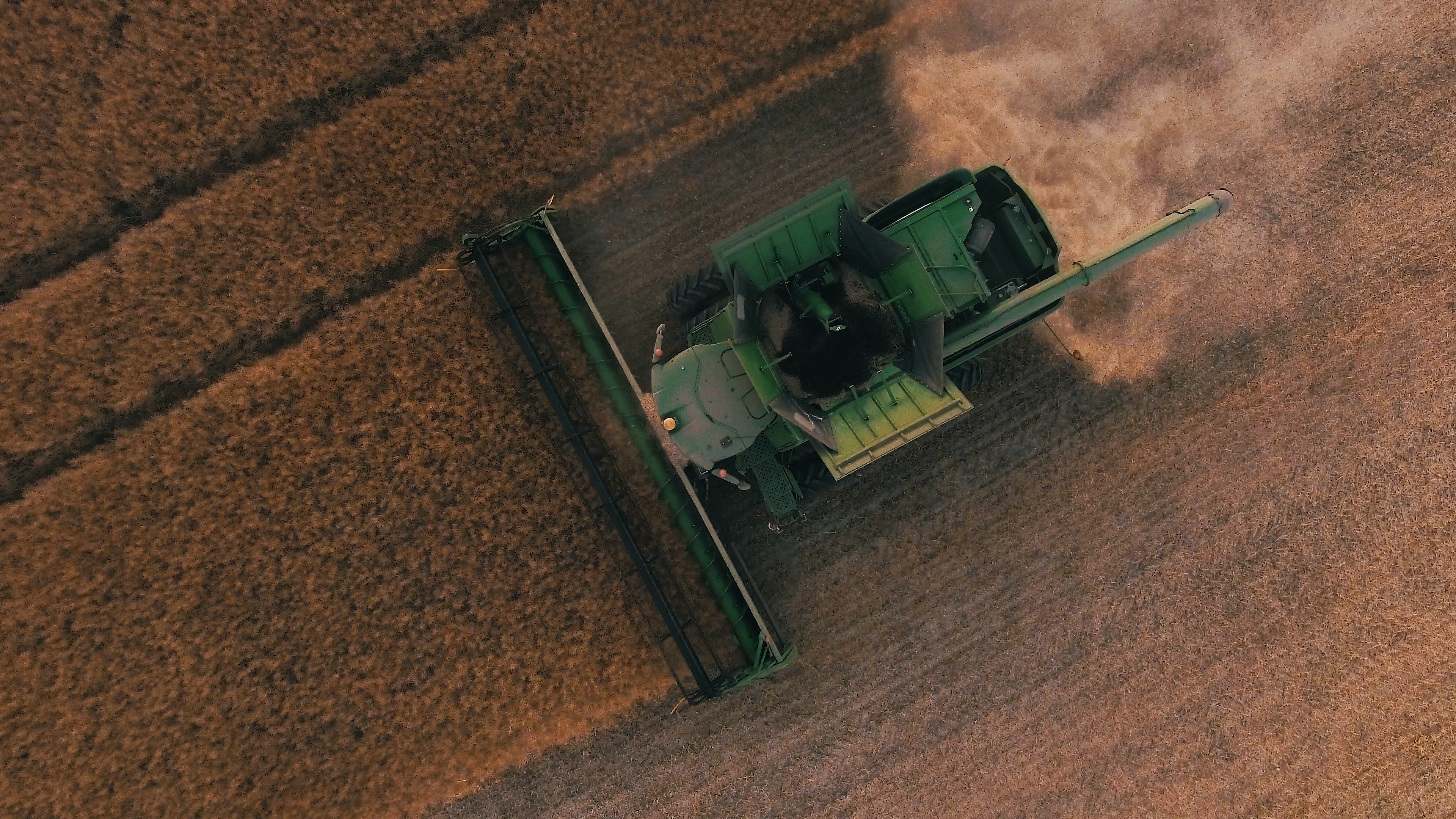
3. **Planting and Harvesting:** Farmers plan and execute planting schedules, including choosing suitable crops for their climate and soil conditions. They also monitor and manage the growing environment, including irrigation, fertilization, and pest control. When crops reach maturity, they are responsible for harvesting them.
4. **Animal Care:** For livestock and poultry farmers, the responsibilities include ensuring proper animal care, providing feed, managing animal health, and maintaining suitable living conditions.
5. **Technology and Innovation:** Modern farm growers often incorporate technology and innovative practices into their operations. This includes precision agriculture techniques like using drones for monitoring fields, adopting genetically modified crops, and utilizing data analytics to optimize crop yields and resource use.
6. **Sustainable Practices:** Many farm growers are adopting sustainable farming practices to minimize the environmental impact of their operations. This can include reduced chemical use, water conservation, soil conservation techniques, and incorporating renewable energy sources.
7. **Challenges:** Farming can be challenging due to factors such as weather conditions, market fluctuations, labor shortages, and regulatory changes. These challenges can impact the profitability and stability of farm operations.
8. **Economic Impact:** Farm growers contribute significantly to local and global economies by producing food, fiber, and raw materials. They create jobs not only on their farms but also in related industries such as food processing, distribution, and equipment manufacturing.
9. **Food Security:** The work of farm growers is essential for ensuring food security and addressing hunger issues around the world. Their efforts directly impact the availability and affordability of food for both local and global populations.
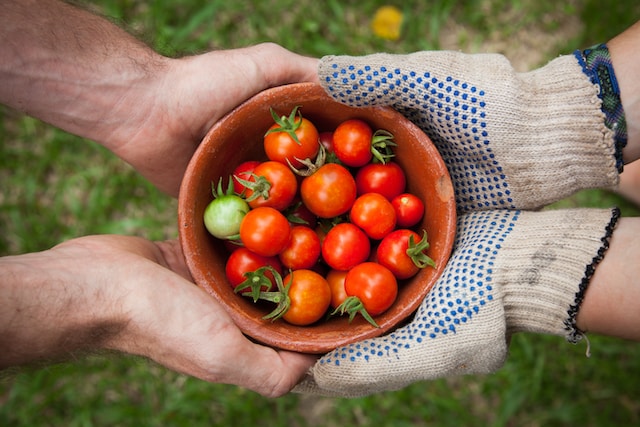
10. **Connection to Consumers:** In recent years, there has been a growing interest in the connection between farmers and consumers. Farmers' markets, Community Supported Agriculture (CSA) programs, and direct-to-consumer sales allow growers to establish direct relationships with consumers and provide fresh, locally grown products.
Overall, farm growers play a vital role in meeting the basic needs of society by producing the food and resources necessary for human survival and well-being. Their efforts combine traditional knowledge with modern techniques to ensure a sustainable and thriving agricultural sector.


hello